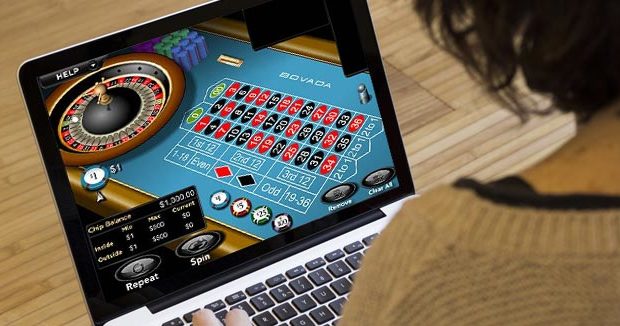
Self-banning is one of the most powerful personal safety measures a regulated registratiecasino gambling site market offers. It is a structured, voluntary procedure: you request to be barred from gambling services for a set duration, and the operator must comply. The mechanism is not a penalty. It is a systemic barrier designed for people who recognize their gambling has spiraled out of control. Across different jurisdictions, self-exclusion programs have grown from simple venue bans into interconnected schemes that encompass online portals, mobile apps, and physical establishments all at once. The central concept remains the same. A person takes a deliberate step to interrupt a harmful loop, and the operator has a legal responsibility to enforce that decision. Understanding how these programs operate, what they can realistically achieve, and where they belong within a wider responsible gambling system is crucial for anyone contemplating using one. The following parts walk through the practical realities of self-exclusion without glossing over the hardships or overselling the positives.
Self-exclusion in the Context of a Wider Safer Play Strategy
Operators that view responsible gambling earnestly weave self-exclusion into a wider ecosystem of player protection actions. This involves proactive monitoring of player behavior to identify markers of harm: chasing losses, raising bet sizes, or playing at odd hours. Trained customer support staff can contact to players exhibiting these patterns and present tools, including self-exclusion, before things deteriorate. The most effective platforms also give clear, accessible information about how each tool operates, what the consequences entail, and where to seek independent help. Transparency matters. A player who recognizes exactly what will happen when they click the self-exclusion button is more likely to use it when necessary. Confusion or fear of unintended consequences, like being permanently banned from all forms of gambling with no way back, can deter people from taking a step that could assist them.
From the operator’s side, self-exclusion is not just a compliance requirement. It demonstrates the brand’s commitment to longevity. A gambling market where customers routinely endure severe harm is not a stable market. By providing strong self-exclusion options and respecting them rigorously, operators help build a culture where seeking help is standard rather than marginalized. That cultural shift serves everyone: players, operators, regulators, and the wider community. The practical takeaway for anyone reading this is that self-exclusion is a important, organized, and enforceable tool that warrants careful thought. It is not a sign of weakness. It is a strategic decision to break a destructive cycle. The information needed to make an informed choice sits on the platform’s responsible gambling page, and reading it thoroughly is time well spent. If self-exclusion seems like the right step, the process is designed to be straightforward and immediate. The hardest part is often the decision itself. Making that decision is an act of self-respect that no one should regret.
Which Self-exclusion Cannot Do: Recognizing the Limits
Self-exclusion is a barrier, not a solution. It puts distance between the person and the gambling product. It does not affect the underlying psychological, emotional, or financial drivers of problematic gambling conduct. An excluded person might simply move to unregulated offshore platforms, social casino games that mimic gambling mechanics without real money, or other forms of risk-taking like day investing. The tool works best when used as part of a full recovery program that includes professional therapy, peer support groups, and practical measures like installing website-blocking software on all personal gadgets. Family members can support by watching for signs of recurrence, though the choice to exclude must ultimately stem from the person. Some authorities allow third-party exclusions initiated by a family member or a court ruling, but these are less common and raise tough ethical issues about autonomy.
Another drawback is the temporary aspect of the exclusion. When the chosen timeframe ends, the account does not automatically restore, but the individual can request reinstatement. This transition point is a known high-risk period for backsliding. The expectation of the exclusion finishing can become a preoccupation, and without ongoing support, the person may return to gambling with even more vigor. A responsible approach treats the exclusion timeframe as a chance to build the competencies and support structures needed for lasting recovery, not just as a waiting space. Some individuals opt to extend their exclusion before it expires, keeping the shield in place permanently. Others may believe they are ready to return to controlled wagering, but this decision should be made with professional https://www.tsn.ca/radio/toronto-1050/verplank-on-round-2-of-the-open-championship-difficulty-of-playing-royal-troon-and-more-1.2149712 guidance and a clear collection of personal limits. The essential point is to understand that self-exclusion grants time and offers room. It does not do the internal effort of recovery.
The Essential Mechanics of a Self-exclusion Contract
When a user starts a self-exclusion, they enter a binding arrangement with the gambling operator. The process typically begins inside the account settings or responsible gambling section of the platform. The user picks a duration. Typical options cover six months to five years, though some jurisdictions demand a minimum one-year term for a first exclusion. Once confirmed, the operator must shut down the account, refund any remaining funds, and delete the individual from all marketing lists. The operator also has to implement reasonable steps to prevent the excluded person from opening new accounts. That means verifying registration attempts against internal exclusion lists and, in places with centralized schemes, querying a national database. The agreement is not a standard commercial contract because the operator is not offering a service. It is a regulatory obligation the operator must meet. The player cannot simply undo the exclusion on impulse. Most programs apply a cooling-off period after the exclusion ends before access is restored. Reactivation often demands a formal written request and a waiting period of at least 24 hours, sometimes longer. This friction is deliberate. It is there to prevent impulsive returns during vulnerable moments.
Enforcement depends on a mix of technology and human oversight. Online platforms deploy identity verification systems that flag attempts by excluded individuals to register with different email addresses or slightly tweaked personal details. Payment processors may also be integrated to stop transactions from known excluded persons. Still, no system captures everything. A determined person might utilize a family member’s identity or an unregistered prepaid card to bypass controls. That is why self-exclusion works best when combined with other supports, like blocking software on personal devices and therapeutic help. The operator’s job is to exercise reasonable diligence, not to ensure absolute prevention. The distinction establishes realistic expectations. A self-exclusion program presents a serious obstacle. It does not remove the possibility of gambling entirely. Understanding this limit helps people view the tool as one piece of a broader recovery strategy rather than a standalone fix.
How Self-exclusion Differs from Different Responsible Gambling Tools
Responsible gambling frameworks provide a selection of controls, and differentiating self-exclusion from the milder options is important. Deposit limits allow players cap how much they can add into their account over https://www.goal.com/en-in a day, week, or month. Session time limits trigger alerts or automatic logouts after a fixed stretch of continuous play. Reality checks are pop-up notifications that indicate time spent and money wagered during a session, prompting the player to decide whether to proceed. Loss limits cap the net amount a player can drop within a defined window. These tools are adjustable and designed for people who desire to maintain access while managing their behavior. Self-exclusion sits at the far end of that spectrum. It is a binary off-switch, not a dial. Once engaged, the account is unreachable, and the operator must refuse service. There is no partial exclusion that permits bingo but stops slots, or permits sports betting but not live casino games, unless the operator offers a highly granular program, which is unusual.
The difference also involves the psychological commitment entailed. Setting a deposit limit is a adjustable, reversible move that can be reduced immediately but usually requires a waiting period to ease. Self-exclusion is a public declaration to the operator that the relationship must end. It holds a finality that can seem liberating and frightening at the same time. For some, clicking the button is a therapeutic admission of a problem. For others, the permanence of the decision during the exclusion period stirs anxiety. That is why many programs feature a cooling-off option, a short-term exclusion of 24 hours to 30 days, as a less frightening first step. Knowing where self-exclusion fits within the broader toolkit allows people pick the right level of intervention. A player who occasionally exceeds limits on weekends might be okay with deposit limits. A player who has attempted and failed repeatedly to regulate their behavior is the intended candidate for self-exclusion.
Practical Considerations: Payments, Withdrawals, and Balances
A frequent concern for players contemplating self-exclusion is the fate of the money in their account. The usual procedure is that the operator has to refund all withdrawable funds to the player as quickly as feasible after the exclusion begins. This encompasses both the cash balance and any funds sitting in a separate bonus wallet that are available to withdraw under the bonus terms. Funds tied up in active bonuses with incomplete playthrough conditions are usually forfeited, though. The reasoning is simple: the player cannot keep meeting the wagering conditions because the account is shut down. This can result in a monetary loss, an unpleasant but essential element of the process. Players should examine their bonus status before starting self-exclusion. If feasible, they can complete any wagering requirements or deliberately give up the bonus rather than allow it to be canceled automatically. The operator’s terms and conditions will detail the precise handling of bonus funds, and studying those conditions closely is advisable.
Withdrawal processing times follow the operator’s standard procedures. E-wallet transfers usually land within 24 hours. Bank transfers and card payments can need three to five business days. If the player used a payment method that is no longer active, like an outdated card, they will need to contact customer support to set up an different method. This is one of the limited communications that can still occur after self-exclusion, and a separate team distinct from marketing and retention usually handles it. The operator is required to enable the repayment of balances without seeking to convince the player about reversing their decision. Players should also be aware that self-exclusion does not wipe out any outstanding debts to the operator, such as reversals or reversed withdrawals handled before the exclusion. Those liabilities remain valid. The economic part of self-exclusion is straightforward conceptually but can involve practical snags that demand care.
The function of Unified Self-exclusion Registries
Unified self-exclusion registries mark a significant step forward from operator-specific programs. In a disjointed system, a player has to exclude separately from every platform they access. That produces gaps that can be exploited during weak moments. A national registry fixes this by enabling a sole application include all licensed operators within a territory. The model works by giving each registrant a distinct identifier. All operators are required to check against that identifier during account registration and at set intervals for active customers. When a match arises, the operator must deny service. The technical infrastructure varies by country, but the principle remains the same: the burden of coverage transfers from the individual to the system. This approach reduces the opportunity for a relapsing player to discover an unrestricted operator. Countries such as the United Kingdom with its GAMSTOP scheme, Sweden with Spelpaus, and Germany with OASIS have introduced such systems with different degrees of scope and enforcement.
Centralized registries continue to have limits, though. They usually cover only operators licensed within the specific jurisdiction. An individual barred through a national program can still access offshore platforms that are not part of the scheme. That is a serious vulnerability worth knowing about. The registries also present privacy questions. Gathering and exchanging personal data tied to gambling addiction requires extreme care, and the security of the central database is essential. Despite these challenges, the direction is clearly toward centralization. Regulators see that a collection of operator-specific exclusions is unable to protect susceptible individuals in a digital marketplace where creating a new account takes minutes. For anyone thinking about self-exclusion, verifying whether their jurisdiction has a centralized scheme is a crucial first step. The operator’s responsible gambling page should supply this information, but it is also advisable to refer to the website of the national gambling regulator straightaway.

The Complete Process of Enrolling in a Self-exclusion Program
The specific procedures for enrolling differ by operator and jurisdiction, but a typical online process follows a clear sequence. The player accesses their account and navigates to the responsible gambling or safer play section, usually located in the account menu or website footer. There, they see an option labeled self-exclusion, take a break, or time-out. Selecting it opens a form that prompts the player to choose the exclusion duration. The available options are shown clearly, often with a short explanation of what each choice means. The player must then confirm their identity, usually by re-entering their password or supplying a two-factor authentication code. This step blocks unauthorized third parties from excluding an account out of spite. After confirming the duration, the system displays a summary of the consequences: the account will close, funds will be returned, marketing will stop, and the decision cannot be reversed for the chosen period. The player must explicitly acknowledge these terms before the exclusion takes effect.
Once submitted, the exclusion is typically immediate. The player is signed out, and any attempt to log back in displays a message stating the account is suspended due to self-exclusion. The operator then processes the return of any remaining balance to the registered payment method. This can take anywhere from a few hours to several business days, depending on the payment provider and the operator’s internal procedures. The player should also receive a confirmation email outlining the exclusion details: start date, end date, and a reminder of support resources. Some jurisdictions oblige the operator to include information about local problem gambling helplines and counseling services in this communication. For players enrolled in a national self-exclusion scheme, the operator must also report the exclusion to the central registry. The registry then distributes the information with all other licensed operators in the scheme. This multi-operator coverage is the strongest form of self-exclusion available and is increasingly the norm in mature regulated markets.